


Traumatology
Traumatology
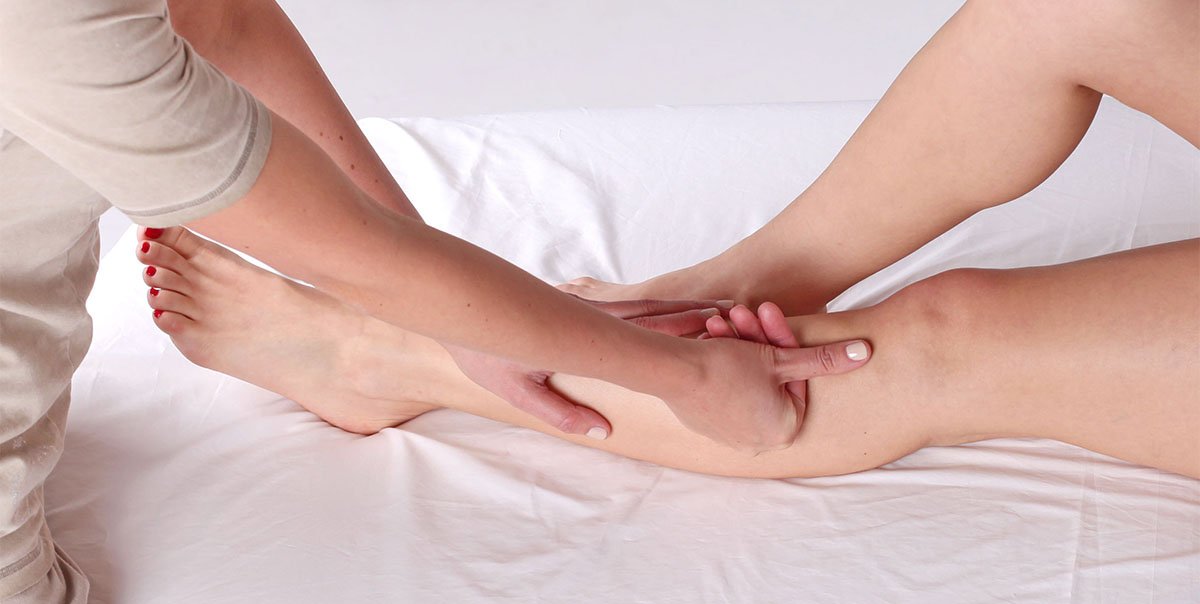
Traumatology is a branch of surgery that studies and treats injuries to the musculoskeletal system (bones and muscles), skin and mucous membranes, the changes in the body that occur after them, and methods that help prevent these injuries. Highly qualified specialists, orthopedic traumatologists, apply surgical (bone and soft tissue surgeries) and conservative (physiotherapy, kinesiotherapy) treatment methods. Traumatologists-orthopedicians play a crucial role in caring for patients who have suffered physical injuries, such as various accidents, falls, sports or other injuries.
Their experience covers many areas of medicine, including orthopedics, surgery, emergency medicine and care. Traumatologists-orthopedicians assess the extent of injuries, stabilize patients in critical conditions, and, if necessary, perform operations, coordinate comprehensive rehabilitation programs that help restore physical and functional abilities. The work of these medical professionals is crucial in providing timely and effective assistance to individuals facing the challenges of traumatic injuries, helping them recover and improve their quality of life.
- Orthopedic-Traumatologist consultations
- Platelet-rich plasma (PRP, ACP) treatment
- Hyaluronic acid (HA) injection into the joint
- Autobiological protein therapy “nSTride”
- Joint puncture
- BMAC Angel System procedure
- Nanoscopy
- SERVICE PRICES
Various injuries – bone fractures, ligament sprains, muscle and joint injuries – always come unexpectedly, to people of different ages and levels of physical activity. That is why each injury must be assessed as soon as possible and the treatment selected very individually, taking into account the patient’s lifestyle, expectations and, of course, the nature of the injury itself. Therefore, if you have suffered even a minor injury, do not waste your healing time in vain, waiting for it to improve on its own… Our clinic’s orthopedist-traumatologist advises on various injuries, draws up a personalized examination and treatment plan for you, and helps you save time so that you can return to your usual activities as soon as possible.
PRP – platelet-rich plasma. This is an injection containing many growth factors that promote tissue renewal and regeneration. An injection that is increasingly used to accelerate the healing of muscle and tendon ruptures, inflammation. To accelerate the healing of stress fractures caused by overuse. Also in the case of fractures, after operations, or prolonged wound healing. PRP is a widely used procedure, but did you know that there are 17 ways to prepare PRP itself? The effectiveness of PRP injection depends on the preparation methodology and equipment. At the Sanus Motus clinic, we use a special, double-syringe ACP system from the world’s most reliable orthopedic equipment manufacturer – Arthrex, which allows us to exclude neutrophils from PRP during production – cells that influence the activity of growth factors.
Hyaluronic acid is a preparation that is widely used to reduce knee and ankle joint pain caused by osteoarthritis (joint wear and tear). Hyaluronic acid is a natural preparation that cannot cause allergies or other reactions that damage body tissues if injected properly. Hyaluronic acid, by maximally distributing itself throughout the joint spaces, tissues, etc., mechanoreceptorally inhibits the sensitivity of nerve branches, therefore, immediately after injection, the pain of the worn joint is noticeably reduced.
It also improves joint homeostasis – as a result of which:
– collagen (cartilage tissue), proteoglycans (joint fluid) production improves,
– synovial (joint capsule) cell regeneration;
– the amount of inflammatory cells in the joint decreases.
It is important to know that hyaluronic acid preparations injected into the joint come in two different concentrations – 1.0 or 2.5 percent. This determines the duration of the drug’s action, the effect itself, and of course, the cost of the injection. However, the concentration of the drug that is right for you is selected by your doctor.
Nstride – Autologous Protein Matrix
In the knee affected by osteoarthritis, inflammatory proteins cause knee pain and cartilage loss. The inflammatory proteins (cytokines) that damage cartilage are IL-1 and TNFa20. In order to reduce pain and slow down the process of cartilage loss, these bad proteins must be stopped simultaneously. After injecting “nSTRIDE APS”, a large amount of good proteins (IL-1ra, sIL-1R, sTNF-RI and sTNF- RII) enter the knee, which stop the inflammatory cytokines (bad proteins) IL-1 and TNFα23^, which reduces pain and slows down cartilage loss.3,6^,11 The balance of the knee is restored, and at the same time anabolic growth factors (IGF-1 and TGF-β1) enter the body, which have a positive effect on the condition of cartilage.
24 nSTRIDE APS provides excellent therapy that can reduce knee pain, improve joint function, and slow down the process of cartilage loss. This therapy is applied as a single non-surgical injection, performed in the doctor’s office.
At Sanus Motus Clinic, we were one of the first in Lithuania to start using these injections.
Joint puncture is a procedure in which an orthopedic traumatologist, by performing an injection into the joint area, removes the fluids in the joint or the joint bursa. Joint puncture is performed for diagnostic (to determine the nature of the fluid) or treatment (by administering medications, PRP, autologous proteins, hyaluronic acid). Whether such a procedure is necessary is decided by the doctor during the consultation.
At the Sanus Motus clinic, we perform all joint or joint bursa punctures under anesthesia.
BMAC (Bone Marrow Aspirate Concentrate) is a regenerative therapy that uses autologous (the patient’s own) cells. Mesenchymal stem cells (MSCs) are extracted from the bone marrow and are used to treat various tissues. MSCs can differentiate into different cells (for example, cartilage), have anti-inflammatory, immune-modulating properties, and promote tissue regeneration.
The Arthrex Angel system is an automated system that allows you to prepare a concentrate from bone marrow aspirate or blood. The system performs automatic centrifugation using advanced technologies, which allows for control of platelet and white blood cell counts and volume.
The Arthrex Angel system allows for the preparation of BMAC as needed, and all this takes place in a sterile, automated environment.
Procedure:
1. Biopsy – usually a bone marrow sample is taken from the iliac or tibia.
2. Instrumental processing – the collected aspirate enters the Arthrex Angel system, which processes it and prepares a concentrate.
3. Injection – the resulting BMAC with platelets and MSCs is injected into the treated area (e.g., joint, ligaments, cartilage).
4. After the procedure, rest is recommended, avoid strenuous exercise, and allow regeneration to occur naturally.
Applicability:
• Used to treat joint problems (e.g. osteoarthritis), fracture healing, tendinopathies, cartilage damage, osteonecrosis, etc.)
• Studies show that BMAC injections can provide long-term relief to patients, often better than PRP or hyaluronic acid injections, especially for grade II-IV knee osteoarthritis.
5. Differences between BMAC and PRP
• PRP (platelet-rich plasma concentrate) – concentrates on platelets and growth factors.
• BMAC – in addition to platelets, it also contains MSCs – this is the main advantage: MSCs can turn into cartilage cells and have regenerative properties for tissue repair.
We are the only ones in Lithuania to perform nanoscopy!
Did you know that the inside of a joint can now be examined without an incision, only through a needle?
Meet the NanoNeedle Scope System – an ultra-thin, 1.9 mm diameter needle with a high-resolution camera at the end.
This is not the future. This is today’s medicine.
A fast, accurate and almost imperceptible procedure allows you to observe joint structures in real time.
Without major surgery. Without scars. Without a long recovery.
Suitable for:
– For diagnosing shoulder, knee, elbow, wrist, ankle, foot joints
– For outpatient use – even in the office
– Even for children – approved for use in pediatrics
– A real view of the inside of the joint
– The ability to immediately assess the problem
– Lower risk of infections and complications
This is a new standard in orthopedics and sports medicine.
Minimally invasive. Maximum effectiveness.
NanoNeedle Scope – when you need more than just a photo or MRI.
You need a real answer. Right away.
TRAUMATOLOGY | ||
Treatment with platelet plasma (PRP, ACP) | one area | 160 € |
Hyaluron 1.0% (HR) injection into the joint | one area | 70 € |
Hyaluron 2.5% (HR) injection into the joint | one area | 220 € |
Nanoscopy | one area | 150 € |
BMAC Angel system procedure | one area | 1500 € |
Administering drugs into the joint (the price of the drugs is paid separately) | one area | 50 € |
Puncture of the joint with medication permission (the price of the medication is paid separately) | one area | 30 € |
Joint puncture | one area | 20 € |
Intramuscular medication (the price of medication is paid separately) | one area | 15 € |
Wire removal | one area | 50 € |
Removing staples and threads | one area | 15 € |
Applying a plaster cast | one area | 40 € |
Removing a plaster cast | one area | 20 € |
Dressing changes, wound care | one area | 20 € |
Contact us!
VISIT US
Gedimino g. 40,
LT-44240 Kaunas
CALL US
+370 640 32 666
WRITE TO US
info@sanusmotus.lt